Focused arrival windows
Useful updates and clear arrival timing.
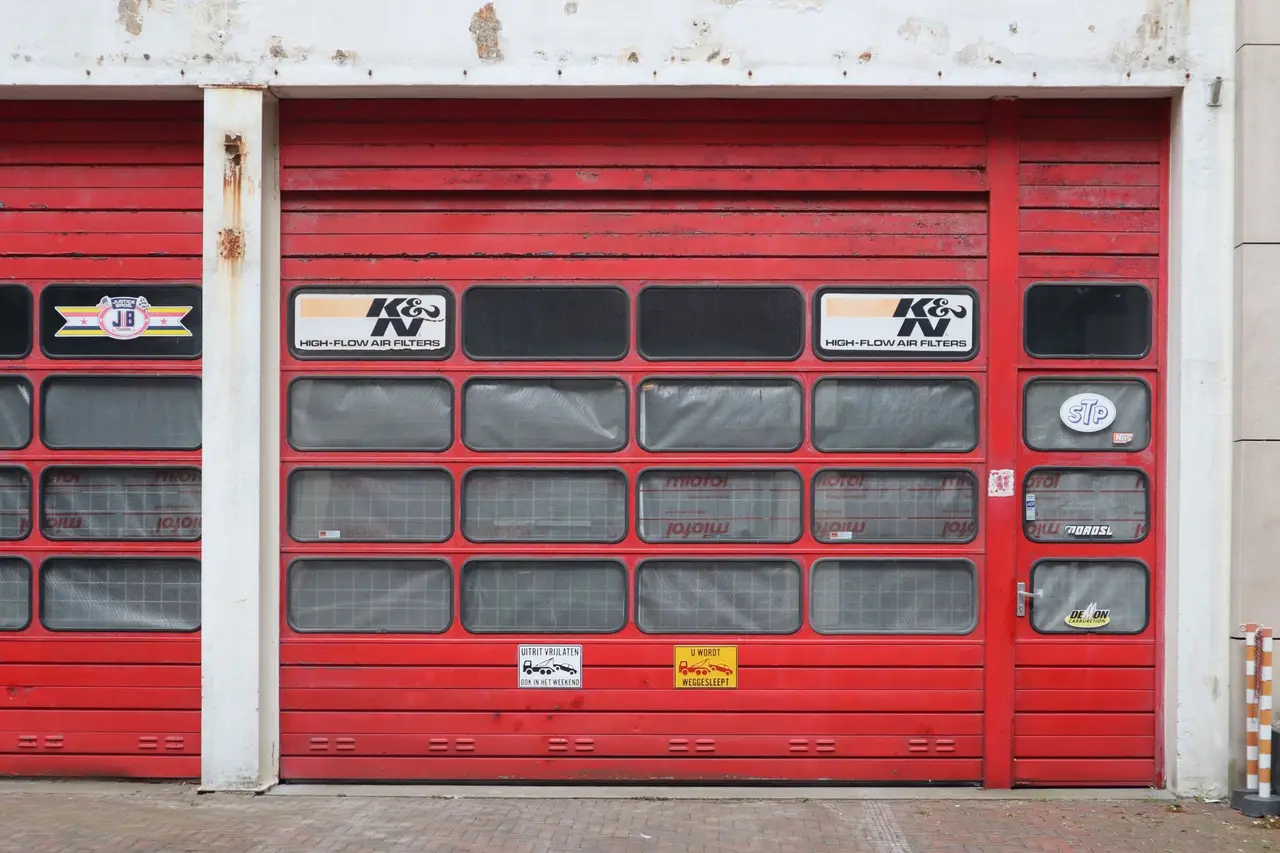
Garage Door Weather Stripping Greenfield IN keeps your garage dry, warm, and pest-free through every Indiana season. If you feel cold air at the bottom of the door or see daylight under it, the seal is done. We replace worn bottom seals, perimeter weather stripping, and side jambs with commercial-grade material, usually in a single visit. Homeowners across Hancock County call us because we stock the right sizes on the truck and finish the job the same day.
Useful updates and clear arrival timing.
Review the approach and price before deciding.
Equipped vehicles and respectful cleanup.
Neighbors serving neighbors with follow-through.
Every job includes a full seal inspection, removal of the old material, installation of new weather stripping, and a test of the door's travel. We check the bottom seal, side jambs, and top header, then tell you what we found. If the retainer or threshold needs work, we quote it before we start. You get a clean work area and a door that closes tight when we leave.
We remove the old astragal, scrape the retainer channel, and press in a new rubber or vinyl seal sized to your door. This is the seal that takes the most wear, and it is the one that stops water and drafts at the floor. Most doors use a standard T-style or bulb-style gasket.
We fit new side seals along both jambs to close the vertical gaps. These stop wind-driven rain and keep insects from slipping past the door edge. On older Greenfield homes, we often replace the jamb seal and the stop molding together for a tighter fit.
The top seal is easy to overlook, but a gap there lets heat escape and snow blow in during a storm. We replace the header gasket and seal the corners so the door closes against a continuous barrier. It is a small part of the job that makes a real difference.
We check the metal or plastic retainer that holds the bottom seal. If it is bent, rusted through, or missing, the new gasket will not stay put. We replace it with a matching profile and fasten it with the correct hardware so the seal tracks straight.
After installation, we run the door up and down and check the down-limit so the seal compresses evenly. We look for daylight under the door and adjust the opener if needed. You get a walkthrough of the work and a two-year workmanship warranty.
Share what is happening and receive a clear next step from the local team.
Garage Door Weather Stripping Greenfield IN is a sealing service that replaces the rubber, vinyl, or brush gaskets around your garage door to block air, water, dust, and pests. Every door has three seal zones: the bottom astragal, the side jambs, and the top header. The bottom seal takes the most abuse because it contacts the concrete every time the door closes. We pull the old gasket, scrape the retainer clean, and press in a new one sized to your door's track and threshold.
Greenfield sits in Hancock County where winters drop below freezing and summer storms push water against north-facing doors. A worn weather seal lets that water wick under the door and pool on your slab. We see it most in older homes near Downtown Greenfield and Old Town Greenfield, where original wood jambs have swollen and pinched the gasket. A garage door weather seal near me Greenfield IN search usually means someone already found a wet floor or a cold draft. We fix both in one trip.
We ask three questions: door brand, width, and whether the seal is bottom-only or full perimeter. That tells us which material to load. If you have a photo, text it over. We quote a flat price before we roll, so there is no surprise when we arrive.
We measure the door width, threshold height, and retainer channel with a tape measure and level. Older Greenfield doors often have non-standard retainers, so we check before cutting anything. This step takes about ten minutes and prevents a second trip.
We pull the worn gasket out of the retainer and scrape the channel with a screwdriver set and vise grips. Any rust or debris gets cleaned out. If the retainer itself is bent or rusted through, we replace that too, which adds about 20 minutes to the job.
We press the new bottom seal into the retainer and slide it end to end. Side and top weather stripping gets fastened with a power drill and sealed at the corners with a caulking gun. We leave a slight compression at the floor so the door presses down evenly.
We run the door up and down three times, check for daylight under the seal, and spray the track with lubricant spray. You get a walkthrough of what we replaced and how to check it yourself. We haul away the old material and sweep the slab before we leave.

Used to fasten retainers, jamb stops, and side weather stripping. We use a clutch setting so we do not strip the screws or crack the jamb. Cordless drills let us work without running cords across your garage floor.
Needed when we remove bottom brackets or adjust track hardware to reach the seal. A full set covers the common bolt sizes on LiftMaster, Chamberlain, and Genie door systems. We keep metric and standard on the truck.
We seal the corners and the top header with exterior-grade caulk to stop air and water from slipping past the gasket. It is a small step that makes the weather stripping last longer and keeps the seal line continuous.
Every job starts with measuring the door width, threshold height, and retainer channel. The level tells us whether the threshold has settled. That measurement is how we pick the right seal thickness the first time.
We use these to pull old gaskets, scrape rust from the retainer, and hold small parts while we fasten them. Vise grips are handy when a rusted screw will not budge. It keeps the removal step quick and clean.
After installation, we spray the hinges, rollers, and track with a silicone-based lubricant. That reduces vibration, which helps the new seal wear evenly. We avoid grease because it attracts grit and gums up the rollers.
Every door we touch is checked against UL 325, which covers entrapment protection and safe operation. We test the auto-reverse and photo eyes after installing weather stripping. If the door does not meet the standard, we tell you what needs to change before we leave.
We match the new gasket to DASMA-certified profiles so it fits the retainer and compresses correctly. A generic seal that is the wrong shape will leak no matter how carefully it is installed. Using the right profile is what makes the seal last.
We follow ANSI/DASMA 102 for installation tolerances, including the gap between the door and the jamb. That standard tells us how much clearance the seal needs to work without binding. It is the difference between a seal that lasts and one that tears.
After the seal is in, we disconnect the opener and lift the door by hand to check balance. An unbalanced door drags on the seal and wears it out early. If it is off, we adjust the springs before we call the job done.
We inspect the bottom seal and threshold, then replace the gasket with a water-shedding profile. If the driveway pitches toward the door, we add a threshold seal to redirect runoff. The whole job usually takes about 90 minutes. The floor stays dry through the next storm, and stored items are no longer at risk of water damage.
We test the seal contact with a dollar bill and check the side jambs for gaps. Then we install new bottom and perimeter weather stripping sized to your door. We also confirm the opener's down-limit so the seal compresses evenly. The draft stops, the garage holds heat better, and the furnace runs less. Most customers see the difference on the next bill.
We replace the bottom seal and any damaged side weather stripping, then provide a written summary of the work. The door closes tight and passes a visual inspection. We can usually schedule this within a day or two of your call. The inspection item is cleared, and the buyer sees a garage that is sealed and maintained.
We install a rodent-resistant bottom seal and tighten the side jambs and top header. We also check the corners for gaps and seal them. The job takes about an hour for a standard two-car door. The gap is too small for rodents to enter, and your stored boxes and insulation stay undisturbed.
Greenfield weather swings hard. October mornings start near 40 degrees and January nights drop into the teens, then summer storms push heavy rain against west-facing doors. That cycle hardens rubber seals fast. We see the worst wear on doors near Downtown Greenfield and Old Town Greenfield, where original wood jambs have swelled and pinched the gasket. Northside and Southside homes on slab-on-grade foundations often need a thicker bottom seal because the concrete has settled slightly over the years. We check the threshold with a level before we pick a seal, which is why our garage door bottom seal Greenfield installations hold up longer. If you are searching for garage door seal replacement near me Greenfield Indiana, we cover all of Hancock County and can usually be at your door the same day. We also follow Indiana contractor license requirements and ANSI/DASMA 102 tolerances on every job, so the work is code-correct and the seal sits the way the manufacturer intended.
Older homes here often have original wood jambs that swell with moisture and pinch the weather seal. We plane or replace the stop molding before installing a new gasket so it seats flat.
Many doors in this area face west and take the brunt of summer storms. We recommend a water-shedding bottom seal and check the threshold for settling after heavy rain.
Homes here often have attached garages with living space above. A tight seal matters more because drafts pull heat out of the shared wall. We check the top header as carefully as the bottom.
Driveways in this neighborhood sometimes pitch toward the garage. We add a threshold seal to redirect runoff and keep the slab dry through spring storms.
Rubber seals harden and crack faster here than in milder climates. We use a cold-flexible gasket that stays soft below freezing, so it keeps its compression through the winter.
Water pools at the threshold and wicks under a worn seal. We install a sloped bottom seal and seal the corners to push runoff back outside.
A settled slab leaves a gap at one corner even with a new seal. We measure with a level and add a threshold extension when the gap is more than a quarter inch.
A two-car door on a west-facing garage leaked every time it rained. The bottom seal was flattened to about an eighth of an inch and the threshold had settled on one side. Water pooled along the back wall and rusted a set of shelving brackets.
We installed a water-shedding bottom seal and a threshold extension on the settled side. The door now closes tight with no daylight visible. The floor stayed dry through two subsequent storms, and the shelving brackets were replaced.
Maintenance: Check the seal contact twice a year with a dollar bill. If it slides out easily, the gasket has compressed and needs attention. Keep the threshold clear of leaves and grit so water can run off.
The garage shared a wall with a bedroom, and the room never felt warm in winter. A dollar bill slid under the closed door at three points. The side jamb seals were brittle and cracked, and the top header had a visible gap at one corner.
We replaced the bottom seal, both side jambs, and the top header gasket, then sealed the corners with exterior caulk. The draft stopped immediately. The homeowner reported the bedroom held heat better and the furnace cycled less overnight.
Maintenance: Spray the hinges and rollers with silicone lubricant each fall. Check the corner caulk every couple of years and touch it up if it cracks. Keep the track clear so the door closes evenly.
Mice had been getting into the garage for two seasons through a gap at the bottom corner. The seal was chewed and compressed, and the retainer was bent on one end. Traps caught mice but they kept coming back.
We replaced the bent retainer, installed a rodent-resistant bottom seal, and tightened the side jambs. The gap dropped below a quarter inch at every point. No mice were caught in the garage the following winter.
Maintenance: Inspect the bottom seal each fall for chew marks or tears. Keep grass and mulch pulled back from the door edge. If you see daylight under the door, call us before the cold sets in.
Most seal problems show up as one of these four complaints. If you recognize yours, the fix is usually a same-day weather stripping job, not a new door.
That gap is an open path for cold air, water, dust, and insects. In winter it raises your heating bill, and in spring it lets rain pool on the slab and rust whatever is stored there. We measure the gap, check whether the threshold has settled, and install a thicker bottom seal or a threshold extension. Most doors close tight again in under 90 minutes, and the daylight disappears.
Standing water on the slab warps stored cardboard, rusts tools, and can seep into the wall shared with the house. Left alone, it damages drywall and invites mold growth in the garage corner. We replace the bottom seal with a water-shedding profile and seal the corners where water sneaks past. If the driveway slopes toward the door, we add a threshold seal that redirects runoff. The floor stays dry through the next storm.
Rodents chew through stored boxes, nest in insulation, and find their way into wall cavities. Once they are inside, the problem spreads fast and pest control alone will not stop them from returning. We close the entry point with a rodent-resistant bottom seal and tight side jambs. The gap drops below a quarter inch, which is too small for mice to squeeze through. We also check the corners and the top header for openings.
A drafty seal pulls heated air out of the garage all winter and pushes your furnace harder. If the garage shares a wall with a bedroom or living space, that room never feels warm, no matter what you set the thermostat to. We install a compression-style bottom seal and new perimeter weather stripping to close the air path. Combined with the door's existing insulation, the garage holds heat better and the shared wall stays warmer. Most customers notice the difference the first cold night.
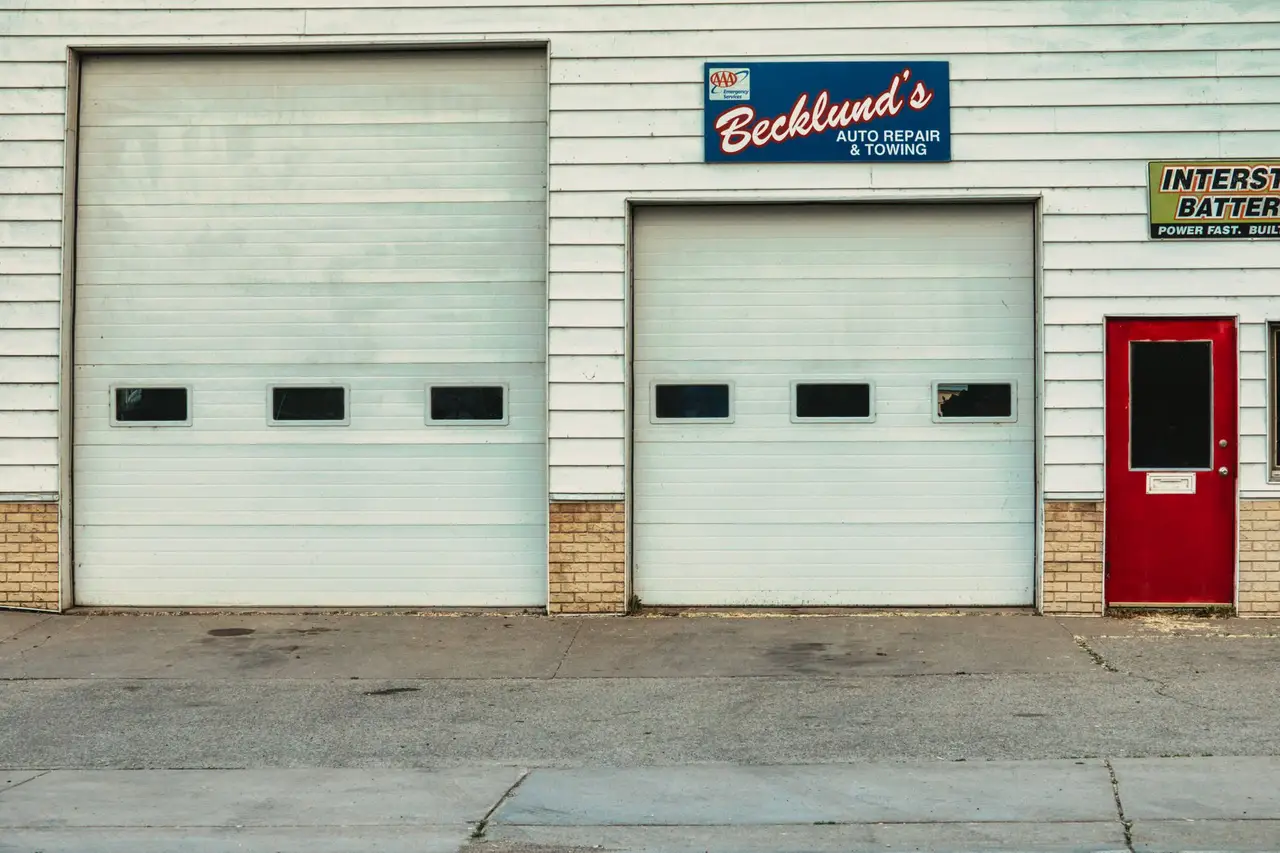
Our garage floor was wet every time it rained, and we could not figure out why. The tech showed me the old bottom seal was flattened to nothing. He had the replacement on the truck and finished in about an hour. Two storms later, the floor is still dry. Fair price, no upsell.
Mice got into our garage last fall through a gap under the door. I called on a Tuesday morning and they were out that afternoon. New bottom seal plus side weather stripping, and the gap is gone. He also tightened a loose hinge while he was there. No mice since.
Our garage shares a wall with the living room, and you could feel cold air coming under the door all winter. They replaced the seal and the difference was immediate. The furnace runs less and the room above the garage is warmer. They cleaned up everything and explained how to check the seal myself.
Most residential jobs run $150 to $350 in 2026, including material and labor. A bottom seal only sits at the low end. Full perimeter weather stripping with new retainers runs higher. Commercial doors, oversized openings, and rusted retainers add cost because they take longer to fit and fasten. We quote a flat price before we start.
You pull the old gasket from the retainer, clean the channel, and press in a new seal sized to your door. The tricky part is matching the profile and getting even compression at the floor. If the retainer is bent or the jamb is swollen, the new seal will not seat. That is when most homeowners call us instead of fighting it.
Yes. Call before 2 p.m. and we can usually be there the same afternoon. We carry the common bottom seal sizes on the truck, so most jobs finish in one visit. If your door uses an odd retainer profile, we order it and schedule the return trip, usually within two business days.
Three causes cover most leaks: the rubber has hardened and lost its compression, the threshold has settled and left a gap, or the retainer is bent so the seal no longer touches the floor. Water then runs under the door and pools on your slab. We check all three and fix the actual cause, not just the symptom.
Not seeing your question? Our local team can help you understand urgency, scheduling and what to expect.
Ask the local team
A worn seal often shows up alongside a door that binds or jerks. We diagnose both in one visit, so you are not paying two trip charges. If the door needs a hinge, roller, or track adjustment, we handle it while the weather stripping is off.
View service
New doors come with factory seals, but they still need to be fitted to your threshold. We set the bottom seal and side jambs during installation so the door closes tight from day one. That prevents the drafts and water intrusion older Greenfield homes deal with.
View service
A door that will not close all the way is often fighting a stiff seal. We check the opener's force settings and travel limits after installing new weather stripping. If the motor is grinding or the logic board is failing, we repair that too, on the same visit.
View serviceWhen we install a new LiftMaster or Chamberlain opener, we set the down-limit so the door compresses the new seal evenly. That protects the motor and keeps the seal from being crushed on one side. It is a small step that adds years to both the opener and the gasket.
View service
Call, text or send us a note and we will get back to you the same business day. Our phones are answered from 8 a.m. to 6 p.m. Monday through Friday, and emergency calls are picked up around the clock. Tell us what the door is doing and we will give you a straight answer and a price.