Focused arrival windows
Useful updates and clear arrival timing.
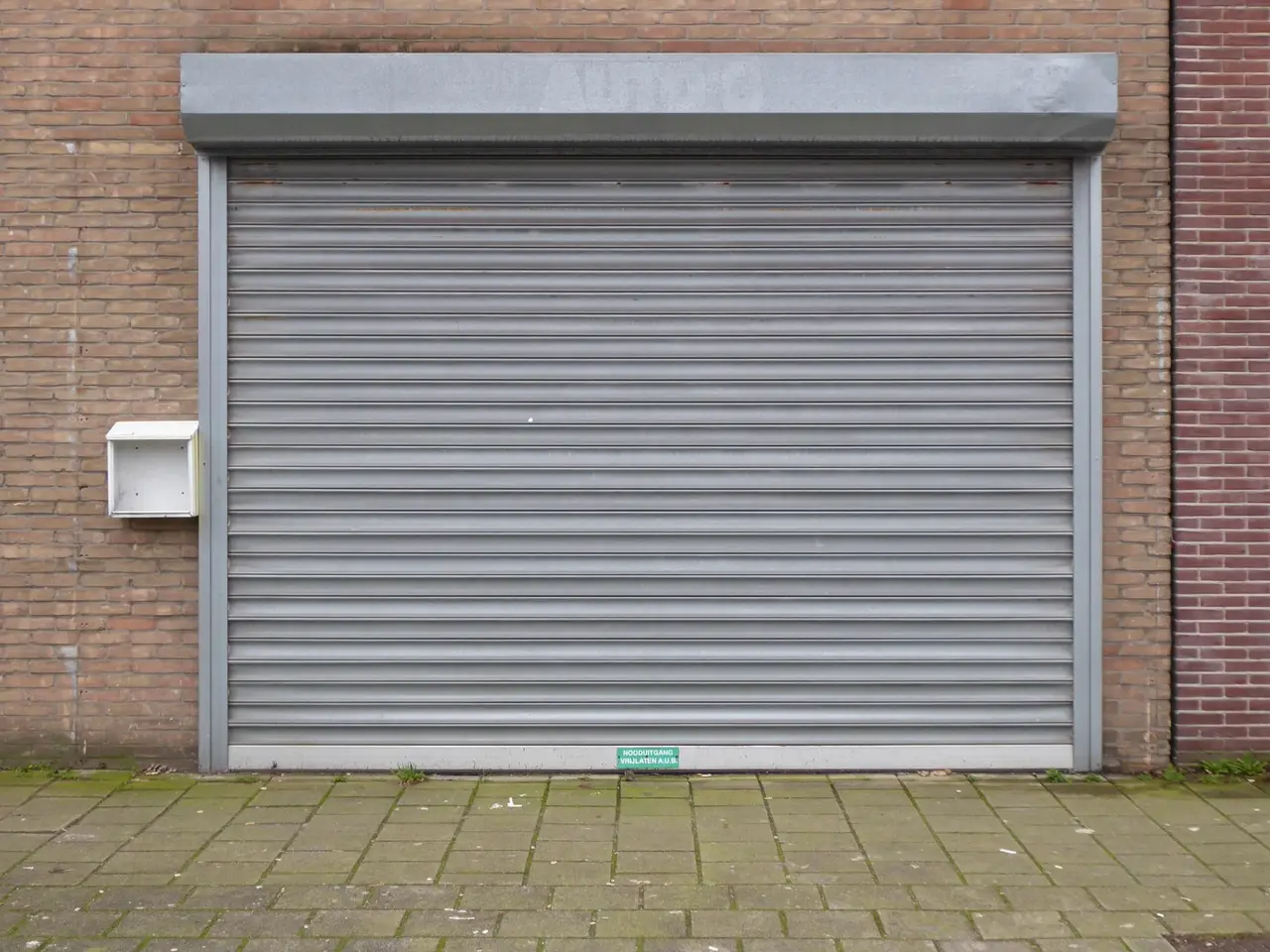
Garage Door Seal Replacement Greenfield IN is the fastest way to shut out cold air, rainwater, and rodents. We stock the right rubber and vinyl profiles for Clopay, Amarr, and Wayne Dalton doors, so most jobs are finished in one visit. If you live in Hancock County and your garage floor stays wet after every storm, call us today.
Useful updates and clear arrival timing.
Review the approach and price before deciding.
Equipped vehicles and respectful cleanup.
Neighbors serving neighbors with follow-through.
Every seal replacement job includes the new gasket, the labor to fit it, and a test cycle to confirm contact. We also check the bottom brackets and rollers while the door is up. If we find a bent track or a bad cable, we tell you the price before we touch it.
We supply and install a commercial-grade rubber seal matched to your door width and profile. Standard sizes for 8, 9, 16, and 18-foot doors are on the truck.
We pull the worn gasket from the retainer or bottom groove and scrape out dirt and adhesive. The channel gets straightened if it is bent so the new seal sits flush.
We adjust the bottom brackets so the door sits level and the seal touches the floor evenly across the full width. This stops one-sided wear.
We cycle the door several times and check the safety reverse with a 2x4 under the door. You get a walkthrough of the contact line before we leave.
We bag the old rubber, sweep the apron, and leave your garage as clean as we found it. No scraps left on the floor for your tires to pick up.
Share what is happening and receive a clear next step from the local team.
Garage Door Seal Replacement Greenfield IN is the removal of a worn or cracked bottom rubber and the installation of a new weather seal that presses tight against the concrete. The old seal gets pried out of its aluminum retainer or pulled from the door's bottom groove, the channel is cleaned, and the new gasket is fed through and trimmed square at both ends. Most doors take 45 to 90 minutes.
Greenfield sits in Hancock County where summer humidity swells wood doors and winter freeze-thaw cycles crack cheap vinyl. A failing seal lets in water that rusts hinges, warps panels, and invites mice. That is why so many homeowners search for garage door bottom seal repair Greenfield Indiana once they spot a wet floor or a visible gap under the door.
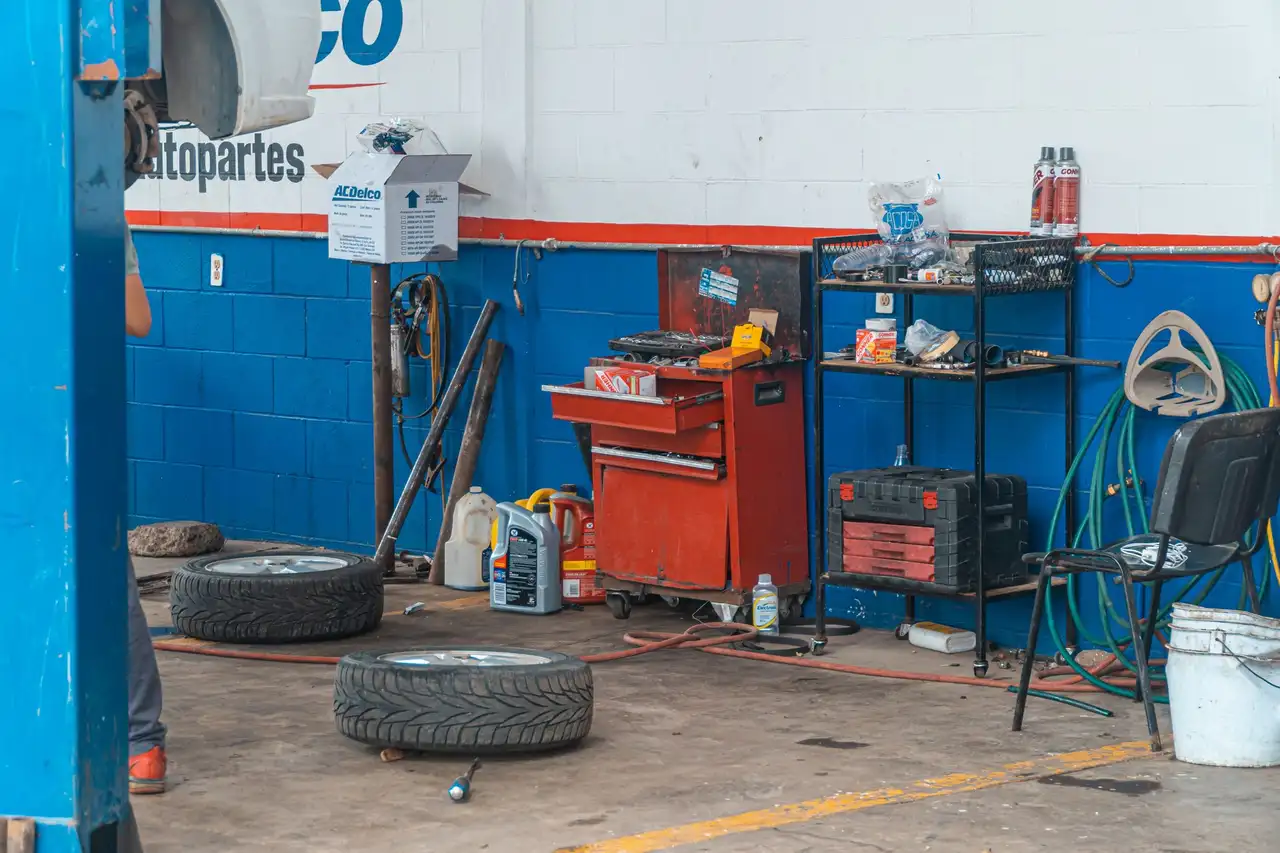
We raise the door and check the bottom edge, the retainer channel, and the concrete for cracks or high spots. We also look at the rollers, hinges, and cables while the door is up. This takes about 10 minutes and catches problems that would ruin a new seal.
We measure the door width with a tape measure and identify the seal profile, whether it is a T-style, bulb, or blade gasket. We match the rubber to your door brand, from Clopay to Chamberlain-compatible tracks, so it seats correctly.
Using a screwdriver set and vise grips, we pull the old gasket from the retainer or bottom groove. If the aluminum channel is bent, we straighten it. We scrape out dirt and old adhesive so the new seal sits flush.
The new seal slides into the retainer and gets trimmed square at both ends. We set the door down on the seal to check the compression line. If one side is light, we adjust the bottom brackets so the seal touches evenly across the full width.
We cycle the door three or four times and watch the seal contact the floor. We check the safety reverse with a 2x4 under the door, then sweep up the old rubber and any debris. You get a walkthrough of what we did before we leave.
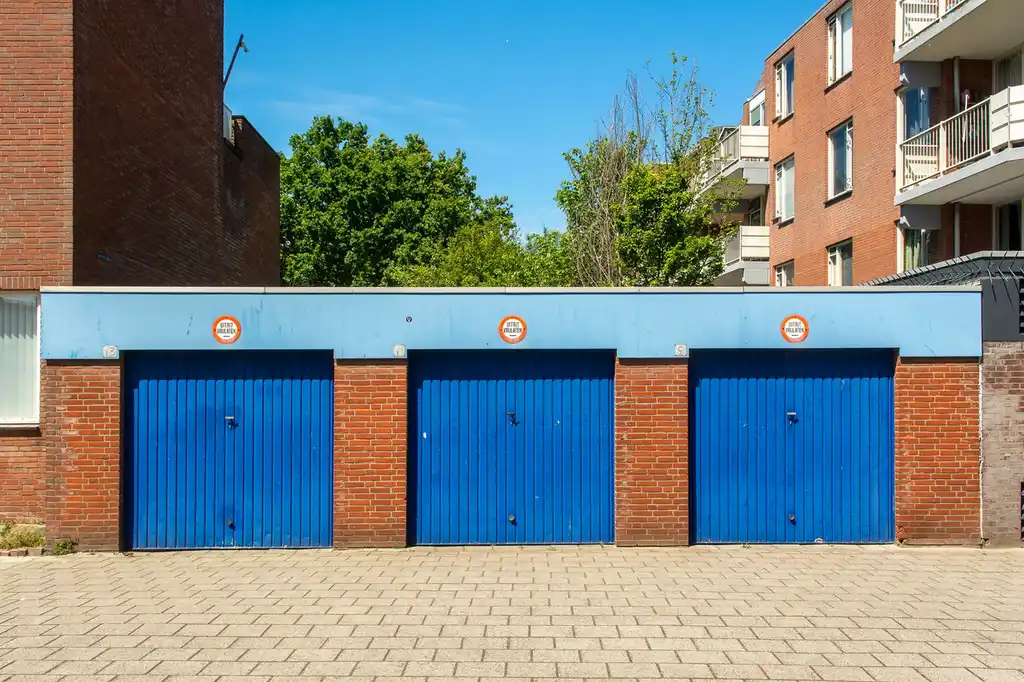
Used to remove and refit retainer screws and bottom bracket bolts. A cordless drill speeds up the job without stripping hardware.
For adjusting bottom brackets and hinges so the door sits level on the new seal. Correct torque prevents stripped bolts.
Grip and pull stubborn old seals from the retainer channel when they are fused in place. Also useful for holding track while tightening.
Measure door width for the correct seal length and check that the bottom edge is level to the floor before we set the seal.
Apply sealant at the retainer ends and corners where water can wick in. Keeps the new seal tight and prevents rust.
Pry out old gaskets, remove retainer end caps, and make small adjustments to hinges and brackets.
Applied to rollers, hinges, and the torsion spring after the seal is in. Cuts noise and helps the door close smoothly onto the new rubber.
We check that the gap between the door bottom and the floor is within the standard tolerance before and after the seal goes in. This tells us whether a standard seal will work or whether the floor needs a thicker gasket.
After every seal replacement we test the safety reverse with a 2x4 laid flat under the door. The door must reverse on contact. This confirms the new seal is not so thick that it interferes with the safety system.
We lower the door onto the seal and look for a continuous compression line across the full width. If one side is light, we adjust the bottom bracket until contact is even.
We match the seal material to Indiana weather. EPDM rubber stays flexible below freezing, while cheap vinyl cracks. That is the difference between a seal that lasts two winters and one that lasts seven.
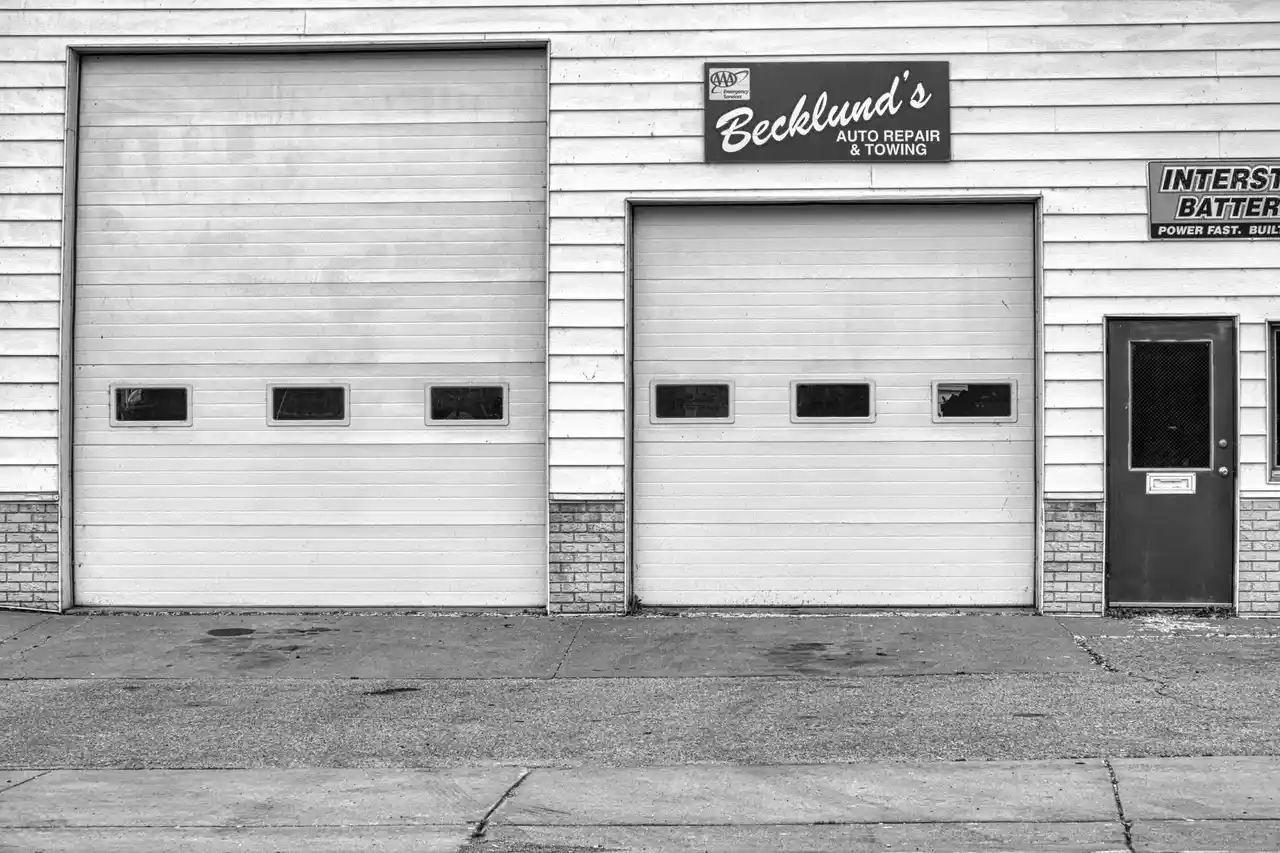
We measure the gap, identify the seal profile, and install a gasket thick enough to close it. If the slab is uneven, we adjust the bottom brackets to even out contact. No more daylight and a door that seals flat across the full width.
We replace the worn seal with a water-resistant EPDM gasket and check the apron slope. If water still runs in, we recommend a threshold seal to divert it. A dry slab and no more rust forming on brackets and cables.
We seal the bottom gap and inspect the corners and side stripping. We also check the bottom brackets and hinges for damage the pests may have caused. A closed entry point and a garage that stays pest-free.
We pull the old seal, clean the retainer, and fit a new commercial-grade gasket. The job usually takes under two hours for a double door. A clean, flexible seal that will last five to seven years in Indiana weather.
Greenfield garages take a beating from Indiana weather. Summer humidity swells wood doors and warps panels, then winter freeze-thaw cycles harden cheap vinyl until it cracks. Add spring storms that drive rain against the door, and the bottom seal is the first part to fail. We see it most on older doors in Old Town Greenfield and on slabs in Meadowbrook that settled toward the street. We keep EPDM rubber seals on the truck because they stay flexible at 10 degrees, unlike the vinyl gaskets many builders use. If you need affordable garage door seal repair in Greenfield Indiana, we can usually get there the same day and finish before dinner. We also serve Hancock County addresses outside the city limits and carry enough stock to handle two doors in one trip.
Older wood doors here swell in humidity and pinch the seal. We often fit a slightly thinner gasket so the door still closes without binding.
Several slabs in this neighborhood settled toward the street, leaving a wider gap at the door. A bulb-style seal fills that space better than a flat blade.
We see more pest calls here because the lots back up to open ground. Sealing the bottom edge is the first line of defense against mice.
Alley-facing garages get more splash from pavement runoff. A tight seal plus a threshold strip keeps the slab dry.
Newer construction with level slabs takes a standard T-style seal and usually finishes in under an hour.
Cheap vinyl seals crack and pull away from the retainer. We install EPDM rubber that stays flexible below freezing, so the seal survives the winter.
A swollen door can pinch a thick seal and stop closing flush. We adjust the bottom brackets and may fit a thinner profile to keep the door operating correctly.
Water pools on the slab and rusts hardware. We check the apron slope and recommend a threshold seal when runoff is the real problem.
A wide, uneven gap needs a thicker gasket and bracket adjustment. We measure the gap at both corners before choosing the seal.
A homeowner called after every rain because water ran under the door and sat against the bottom panel. The old vinyl seal was cracked in three places and flat as a ribbon. The bottom brackets were starting to rust.
We installed a new EPDM T-style seal, adjusted both bottom brackets, and applied sealant at the retainer ends. The slab stays dry now, and the rust on the brackets stopped spreading. The job took about 90 minutes.
Maintenance: Spray the seal with silicone twice a year and keep the apron clear of leaves so water drains away from the door.
The owner found droppings and chewed insulation near the door. The bottom seal had a two-inch tear at one corner, and a loose hinge let the door sag on that side. Cold air poured in all winter.
We replaced the seal, tightened the hinge, and checked the side stripping for gaps. No mice moved back in this season, and the garage holds heat noticeably better. Total time on site was under two hours.
Maintenance: Check the corners of the seal each fall and set a couple of traps near the door as a backup.
The door slapped the concrete on every close and the noise carried into the kitchen. The old seal was compressed flat and the rollers were dry. The homeowner thought the opener was failing.
A new bulb seal plus lubricant spray on the rollers and hinges quieted the door on the first cycle. The opener was fine. We also evened out the bottom brackets so the seal contacts the floor across the full width.
Maintenance: Lubricate rollers and hinges every six months and recheck the seal contact line once a year.
Most seal calls start with the same three complaints: water on the floor, cold air, or pests. Here is what is actually happening and how we stop it.
Standing water rusts bottom brackets, steel cables, and the bottom panel. Left alone, it can rot a wood door from the bottom up. We fit a thicker seal that compresses against the slab and closes the gap. If the apron slopes toward the door, we match a bulb-style gasket that fills the space better than a flat blade.
A 16-foot gap lets cold air pour in all winter and pulls heat out of the room above the garage. Your furnace works harder for less comfort. A tight bottom seal cuts that airflow. We pair it with a check of the side and top weather stripping so the whole door perimeter is closed, not just the bottom.
Rodents squeeze through a quarter-inch gap, then nest in insulation and chew wiring. That is a fire risk and a cleanup job you do not want. We seal the bottom edge and point out any other gaps around the frame. Most Greenfield pest entries happen at the bottom corners, which a new seal closes completely.
The noise travels through the house and the impact wears the bottom panel and hardware over time. It also means the seal is doing nothing. New rubber cushions the close and quiets the cycle. We also lubricate the rollers and hinges while we are there so the door runs smooth and quiet.
Our technicians have replaced hundreds of bottom seals on doors across Hancock County, from older wood doors in Old Town Greenfield to newer steel doors in Meadowbrook. We carry IDEA Certified Installer credentials and follow ANSI/DASMA 102 guidance on seal contact and gap tolerances. We know which profiles fit LiftMaster, Genie, Linear, Marantec, and Sommer operators without binding, and we keep common sizes on the truck so you are not waiting a week for a part.
Water was running under my garage door every time it rained and the floor stayed wet for days. The crew came out the same afternoon, pulled the old cracked seal, and had a new one in within an hour. No more puddles, and the door closes quieter than it has in years.
Mice got into my garage last fall through the gap under the door. I called about a seal replacement and they showed me the torn rubber. They replaced it and also tightened a loose hinge while they were there. No mice this winter, and the price matched the quote.
My garage always felt cold and I could see daylight under the door. They measured, matched a thicker bulb seal to my slab, and adjusted the bottom brackets so it sits flat. The garage is noticeably warmer now and the drafts are gone. Fast, clean work.
Most single-car doors run $150 to $220, and double-car doors run $200 to $320 in 2026. The price includes the new seal, labor, and cleanup. Taller doors, bent retainers, or a door that needs bottom bracket adjustment can push it higher. We quote the full price before we start.
Look for daylight under the door, a cracked or flattened rubber lip, or water on the slab after rain. If you can slide a piece of paper under the seal and pull it out with no drag, the seal is done. Most seals in Indiana last five to seven years before freeze-thaw cycles harden them.
Yes. We stock the common seal profiles and can usually finish a same-day garage door seal replacement Greenfield IN call in under two hours. Call before noon and we will do our best to get you on the afternoon route. Emergency calls after a storm get priority.
A commercial-grade EPDM rubber T-style seal holds up best here. It stays flexible below freezing, unlike cheap vinyl that cracks in January. For doors with a large floor gap, a bulb-style seal fills the space better. We match the profile to your door and your slab.
Not seeing your question? Our local team can help you understand urgency, scheduling and what to expect.
Ask the local team
If your door is off-track, dented, or grinding, a new seal alone will not fix it. We repair panels, tracks, and hardware so the door closes flat and the seal can do its job.
View serviceNew door going in? We set the bottom seal during installation so it seats correctly from day one. That saves you a separate service call later and gets the gap right the first time.
View service
A blinking sensor or dead motor can leave the door partway down, crushing the seal. We fix LiftMaster, Chamberlain, and Genie openers so the door closes fully and evenly.
View service
A new opener needs the travel limits set so the door presses the seal without over-driving it. We install and calibrate the unit so your new bottom seal lasts longer.
View service
Call, text or send us a note and we will get back to you the same business day. Our phones are answered from 8 a.m. to 6 p.m. Monday through Friday, and emergency calls are picked up around the clock. Tell us what the door is doing and we will give you a straight answer and a price.