Focused arrival windows
Useful updates and clear arrival timing.
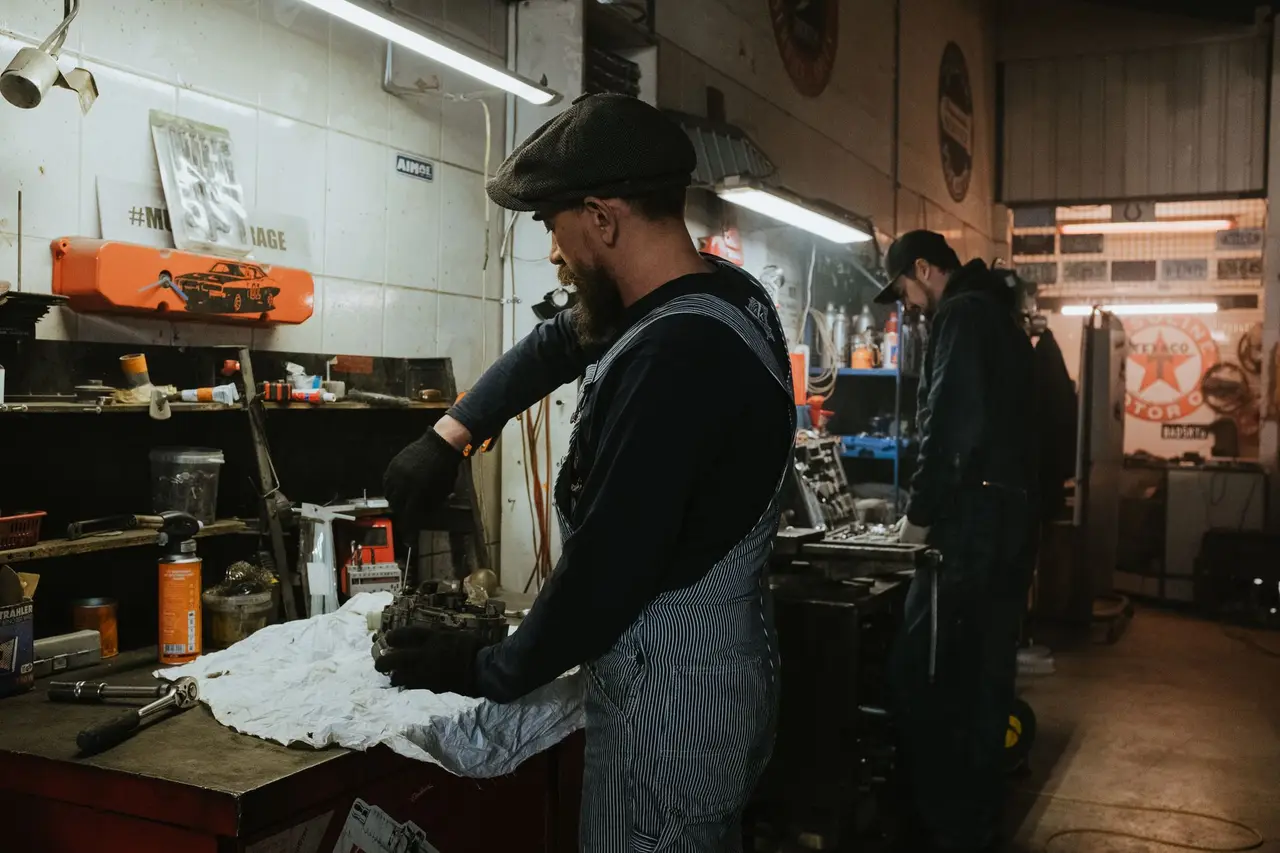
Commercial Garage Door Repair Greenfield IN keeps your business moving when a door quits. We handle rolling steel, sectional, and high-lift doors on shops, warehouses, and service bays across Hancock County. A jammed overhead door stops deliveries, traps equipment, and puts workers at risk. Our techs carry the springs, cables, and openers to get you open the same day.
Useful updates and clear arrival timing.
Review the approach and price before deciding.
Equipped vehicles and respectful cleanup.
Neighbors serving neighbors with follow-through.
Every commercial door call starts with a full inspection of the moving parts. We fix what is broken and flag what is close to failing, so you can plan. Here is what is covered in a standard repair visit.
We replace broken torsion springs, extension springs, and frayed steel cables. Springs go in matched pairs with the right wind, and cables get re-terminated at the drum and bottom bracket. Tension is set with winding bars and tested through full cycles.
Bent track, worn nylon rollers, and loose hinges get fixed in the same visit. We straighten or replace track, swap rollers, and torque hinge bolts so the door travels true. A door that rubs the jamb wears out fast.
We repair and replace LiftMaster, Chamberlain, Genie, and Linear operators. That includes motors, gears, logic boards, remotes, and keypads. Travel limits and force settings get reset so the door opens and closes smooth.
Photo-eye sensors, reversing edges, and manual releases get tested against UL 325 Safety Standard. A blinking sensor gets aligned or replaced. If your door fails an OSHA Safety Compliance check, we document the fix.
Worn weather stripping, bottom seals, and damaged bottom brackets get replaced. We check the drum and torsion shaft for wear while we are in there. Small parts cause big failures if you ignore them.
Share what is happening and receive a clear next step from the local team.
Commercial Garage Door Repair Greenfield IN is the trade of diagnosing and fixing the heavy-duty doors that move freight, vehicles, and people through a business. That means torsion springs, extension springs, steel cables, drums, bottom brackets, and the openers that drive them. A 12x14 sectional door on a loading dock weighs hundreds of pounds; when a spring snaps or a cable frays, the door can drop or lock up. We test every operator against UL 325 Safety Standard and check the reversing system before we call a job done.
Greenfield businesses run doors hard. A shop on Northside might cycle its overhead door 40 times a day, while a warehouse near the Hancock County fairgrounds opens once a shift. Either way, metal fatigues. We see broken torsion springs, off-track doors after a forklift bump, and blinking sensors from summer storms. If you search commercial overhead door repair near me Greenfield Indiana, you want a crew that stocks parts and knows these buildings. We do.
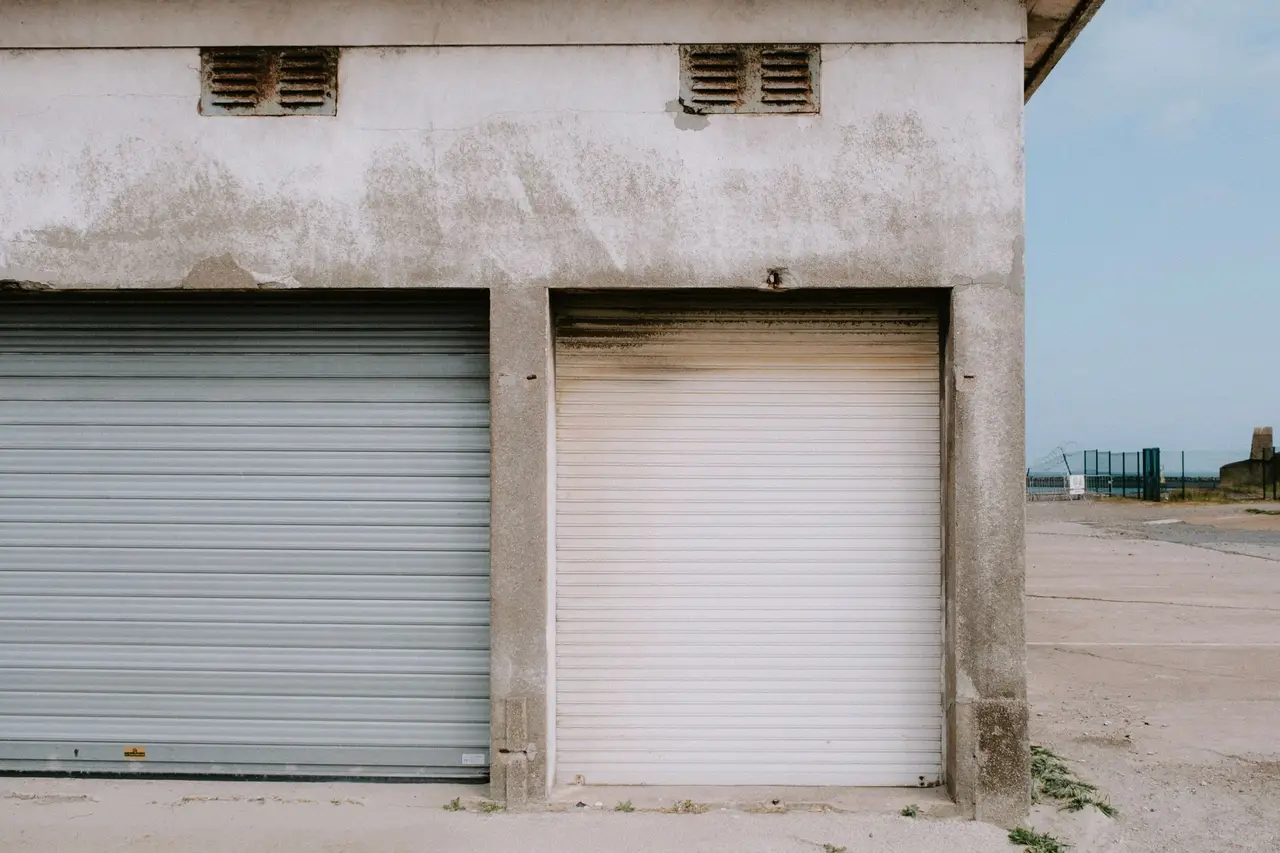
You reach a real person, not a call center. We ask what the door is doing: stuck open, stuck closed, grinding, or dead. That tells us whether to send a spring kit, a cable set, or an opener. Most calls get a same-day commercial garage door repair Greenfield IN window, and emergencies get priority.
A tech walks the door before touching a tool. We check the torsion springs, cables, rollers, hinges, and bottom brackets. We run the opener and watch the reversing system. You get a plain-English diagnosis and a price before any work starts. No surprises on the invoice.
We pull the door off the operator, clamp the torsion shaft with C-clamps, and swap the failed parts. Winding bars go on the new springs, and we set tension by the book. Cables get re-terminated at the drum and bottom bracket. Most jobs take two to four hours.
After the fix, we test the door through ten full cycles. We check the photo-eye sensors, the reversing edge, and the manual release. Everything gets measured against UL 325 Safety Standard and ANSI/DASMA 102. If a sensor is blinking, we align it or replace it before we leave.
You watch the door run before we pack up. We show you what failed, what we replaced, and how to keep it alive. You get a written warranty on parts and labor. If the same spring or cable fails inside the warranty window, we come back and make it right.
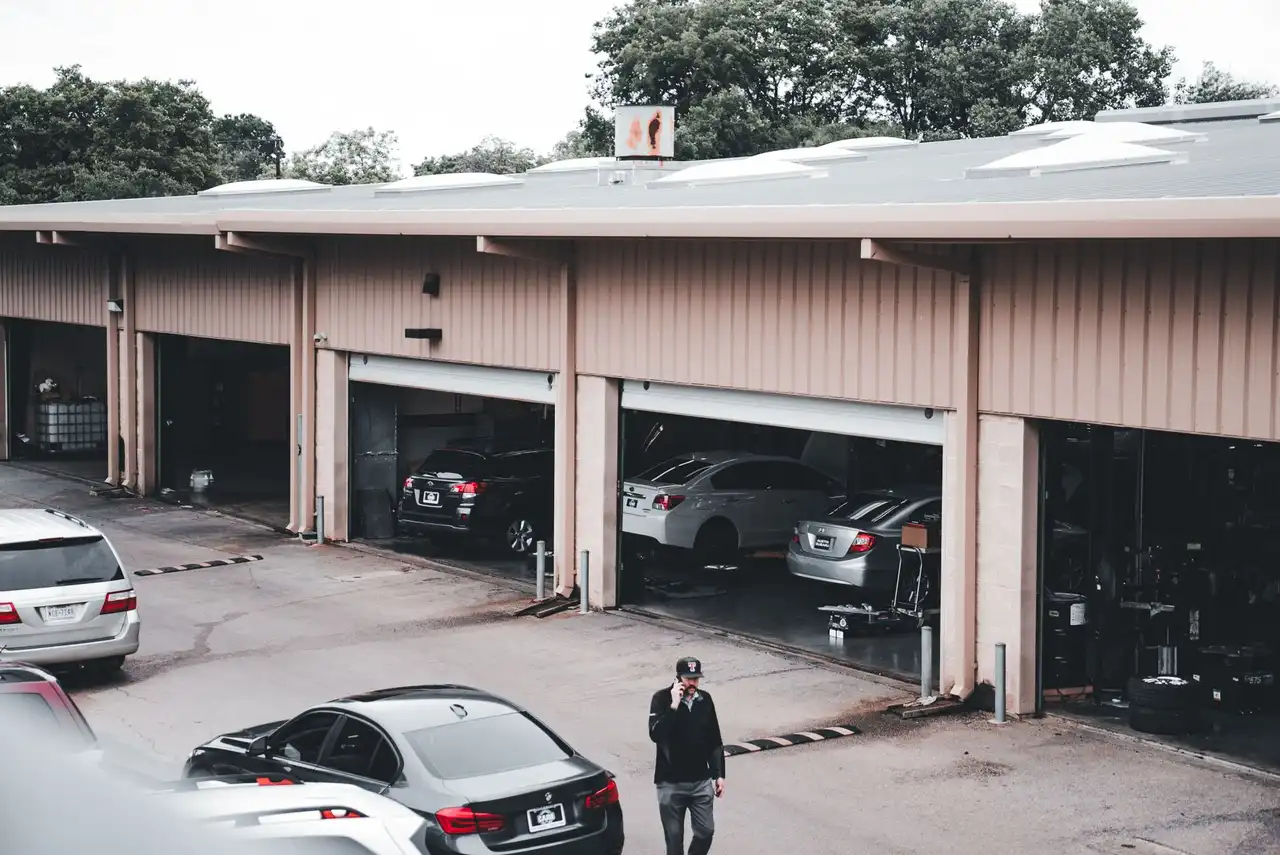
Used to wind and release torsion springs safely. A spring under tension can cause serious injury if handled wrong. We use the correct diameter bars for the spring size and never improvise.
We clamp the torsion shaft before we touch a spring or cable. That locks the shaft in place and keeps the door from dropping while we work. It is a small step that prevents big accidents.
Used to remove and torque hinge bolts, bottom brackets, and drum set screws. We torque hardware to spec so it does not back out under vibration. Vise grips hold parts steady on the shaft.
For mounting sensors, keypads, and brackets, and for driving lag bolts into jambs. We use the right bit for the fastener so we do not strip heads or split wood.
Every track and jamb gets measured and leveled. A door that is out of plumb by a quarter inch will bind and wear rollers. We set the track true before we hang the door.
We use a garage-door-specific lubricant on rollers, hinges, and springs. It cuts friction and noise without attracting dirt. We do not use WD-40 on tracks; it gums up over time.
We never replace one torsion spring and leave the other. Springs wear at the same rate, so the second one is close to failing. Replacing both at once saves you a second service call and keeps the door balanced.
After every repair, we test the reversing system, photo-eye sensors, and entrapment protection against UL 325 Safety Standard. If a door fails, we fix it before we leave. That protects your crew and keeps you code-compliant.
We set track, rollers, and hardware to ANSI/DASMA 102 specs. That covers clearances, fastening, and spring containment. A door set to standard runs smoother and lasts longer than one eyeballed into place.
We note the rated cycle life of the springs we install and the door weight they carry. That gives you a real service interval instead of a guess. You know when to schedule the next tune-up.
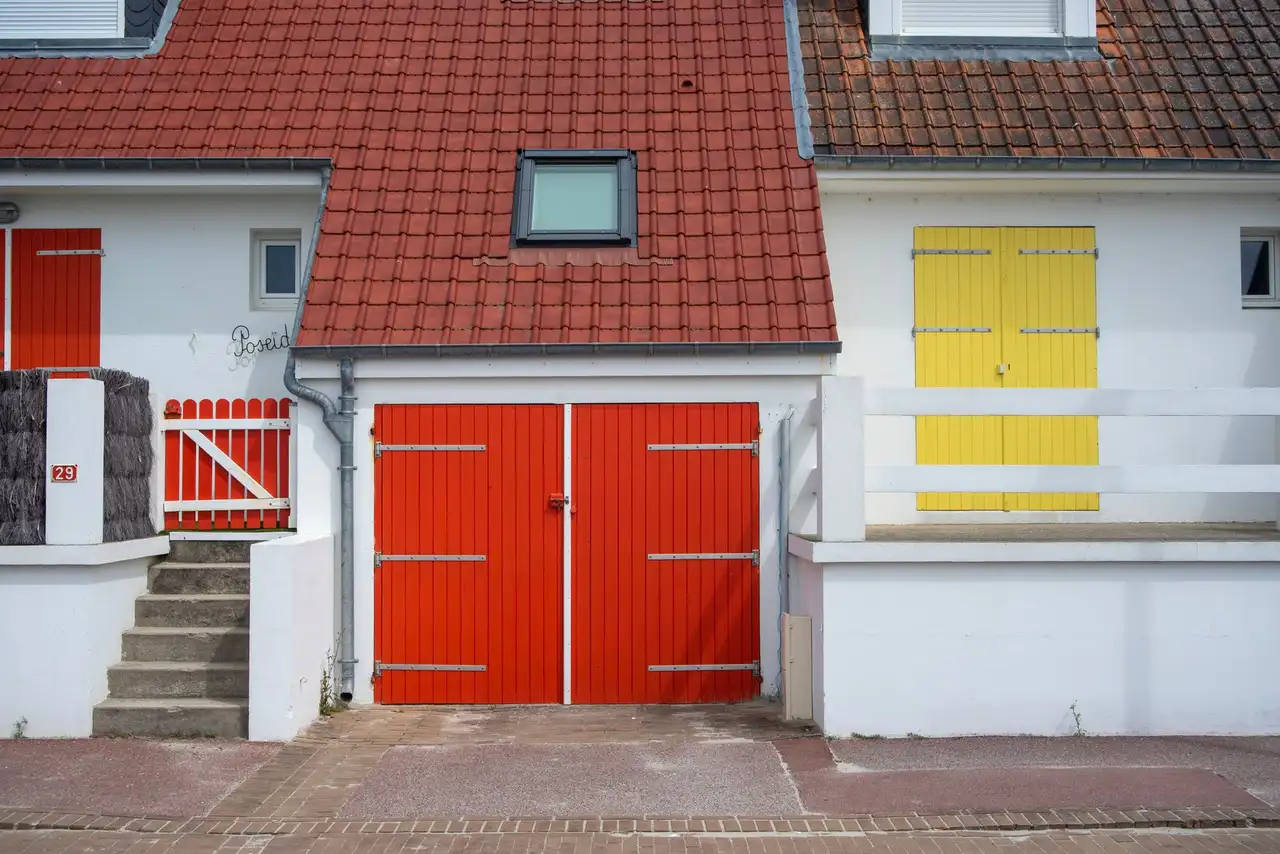
We triage over the phone, load the likely parts, and dispatch a tech. Most stuck doors are a spring, cable, or opener issue. We diagnose on site, quote the fix, and get the door running. The dock opens before the first truck arrives. Your crew loads on schedule and you avoid a late-ship penalty.
Grinding usually means worn rollers, a dry track, or a failing drum. We inspect the full system, replace the worn parts, lubricate the track, and set the torsion tension. The door runs quiet and smooth. You stop wearing out the opener and the track, which saves a bigger repair later.
We assess the panel and the bottom seal. If the panel is salvageable, we straighten it and replace the seal. If it is creased, we replace the section and re-align the door. The door closes flush, keeps weather out, and looks right from the street. Your heating bill stops leaking out the bottom.
We test the motor, gears, and logic board. If the motor is burned out, we install a commercial-duty replacement matched to the door weight and program your remotes. The door opens and closes on command. Your crew stops using the manual release and you get security back.
Greenfield commercial buildings are a mix of older downtown storefronts, mid-century warehouses, and newer industrial parks. That means we see everything from heavy rolling steel doors on Old Town Greenfield buildings to insulated sectional doors on shops near Willow Creek. Indiana weather works on doors year-round. Summer heat expands steel and loosens hardware; winter cold makes springs brittle and seals stiff. A door that runs fine in October can snap a spring in January. We see a spike in broken torsion springs and dead motors after the first hard freeze. For industrial garage door repair Greenfield, we bring parts for the door sizes common in Hancock County, so most fixes are done in one visit. If you need commercial overhead door repair near me Greenfield Indiana, call and describe the door. We will tell you what it takes and when we can be there.
Older commercial buildings with rolling steel and sectional doors that see heavy daily use. Springs and cables wear faster here because the doors cycle constantly.
A mix of shops and small warehouses with 10x10 to 12x12 doors. We see a lot of opener failures here from doors that are heavier than the original operator was rated for.
Industrial and service buildings with high-lift doors. Forklift traffic means more off-track and dented panel calls than we see in residential areas.
Newer commercial construction with insulated sectional doors. These doors run well but still need spring and roller service every few years.
Cold makes torsion springs brittle and stiffens bottom seals. We see more snapped springs and torn seals from December through February. A fall tune-up catches worn springs before the freeze.
Heat expands steel track and loosens hardware. Rollers dry out and start to grind. We lubricate and re-torque hardware in summer to keep doors running quiet.
A busy dock door can cycle 40 or more times a day. That wears springs, cables, and rollers faster than the rated life. We size replacement springs for the real cycle count, not the minimum.
A 12x12 sectional door at a Northside shop snapped a torsion spring on a Monday morning. The door was stuck closed, the opener was straining, and a delivery truck was waiting. The other spring was original and close to failing.
We replaced both torsion springs with oil-tempered units rated 25,000 cycles, re-set the cable tension, and tested the door through ten cycles. The door was running in under three hours. The opener stopped straining because the door was balanced again.
Maintenance: We recommended a yearly tune-up and lubrication. With the cycle count on that door, the new springs should last several years before they need attention.
A forklift clipped the track on a warehouse door in East Greenfield. The door jumped the rails, bent two rollers, and would not close. The building was open to the weather and the crew was using a manual strap to pull it down.
We straightened the vertical track, replaced four rollers and two hinges, and reset the door on the rails. The door closed flush and sealed at the bottom. Total repair time was about two and a half hours, and the door has run clean since.
Maintenance: We flagged the bottom bracket for a future check and told the crew to keep forklifts clear of the door path. A visual walk-around each week catches bent track early.
A LiftMaster operator on an East Greenfield service bay died on a Friday afternoon. The door was stuck closed, and the shop was hand-lifting a heavy door to move vehicles. The motor was burned out and the gears were worn.
We installed a commercial-duty operator matched to the door weight, replaced the drive gear, and programmed the shop remotes and keypad. We set travel limits and tested the safety reverse against UL 325. The door was running before close of business.
Maintenance: We set a reminder to check the operator force setting each year. A balanced door and correct force setting keep the motor from working too hard.
Most commercial door failures announce themselves before the door quits. Here are the calls we run most in Greenfield and what happens if you let them ride.
A door with a snapped spring is dead weight. You cannot lift it by hand, and forcing the opener burns out the motor. The door stays stuck until the spring is replaced. We replace the broken spring in a matched pair with oil-tempered springs rated 15,000 to 25,000 cycles. We clamp the shaft, wind the new springs with bars, and test the door through ten cycles before we leave.
A frayed cable can snap without warning and drop one side of the door. That bends the track, breaks rollers, and puts anyone nearby at risk. It usually happens at the worst time. We replace both cables, re-spool them on the drum, and check the bottom bracket for cracks. If the drum is worn, we swap it in the same visit. Most cable jobs are done in two to three hours.
An off-track door binds, grinds, and can fall. It will not close or seal, which leaves your building open to weather and theft. Running the opener makes the damage worse. We secure the door, inspect the track and rollers, and reset the door on the rails. Bent track gets straightened or replaced, and damaged rollers get swapped. We test the door through full cycles before we call it fixed.
A misaligned or failed photo-eye keeps the door from closing. That leaves a bay open all night and fails a safety inspection. It is a small part with a big consequence. We align the sensors, clean the lenses, and replace failed units. Then we test the reversing system against UL 325 Safety Standard. If the wiring is bad, we trace it and fix the connection.
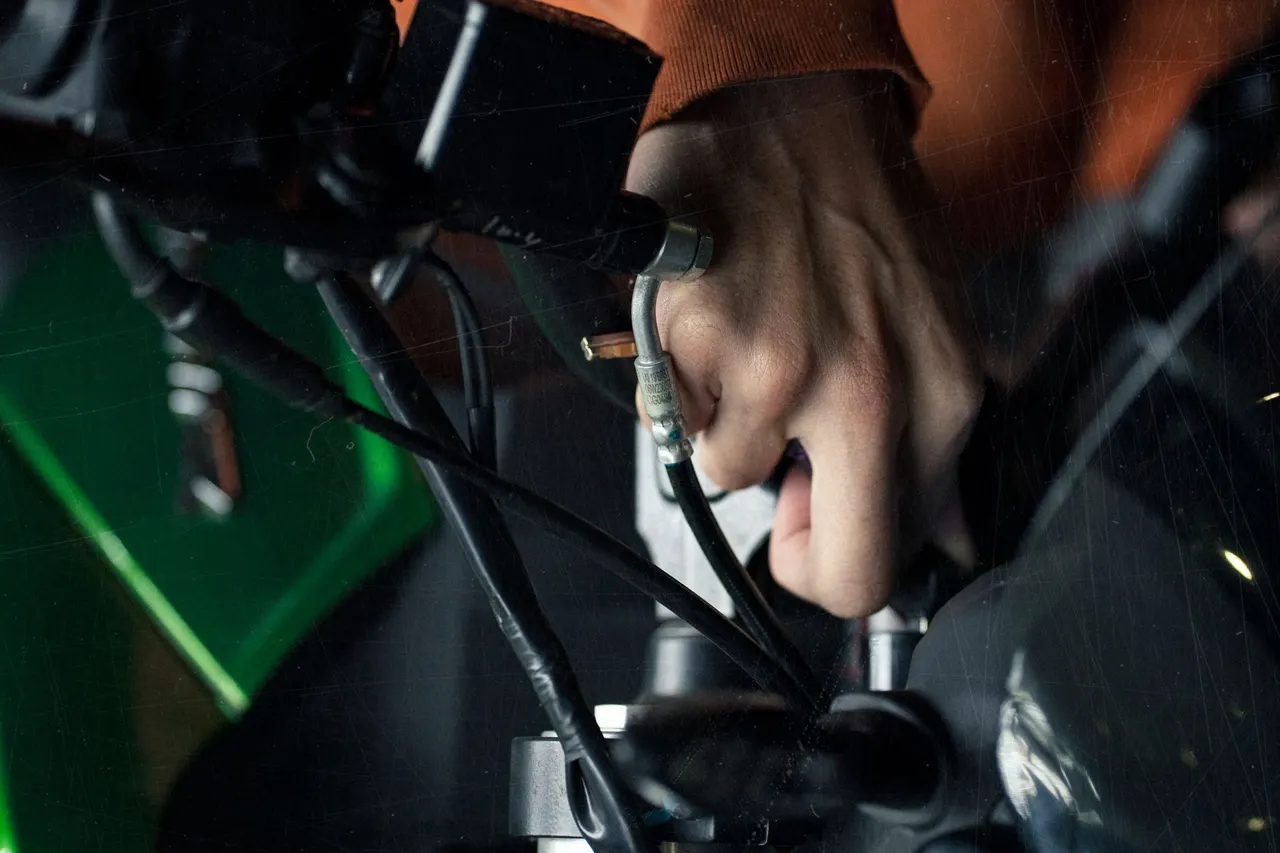
Our techs work on commercial doors every day, not residential units with a commercial label. We train on rolling steel, sectional, and high-lift systems, and we keep up with DASMA Certification standards. We have replaced hundreds of torsion springs, re-cabled loading dock doors, and brought dead LiftMaster and Genie operators back online. We carry an Indiana Contractor License and stay current on OSHA Safety Compliance for powered doors. When a door is off-track at 6 a.m. before a shift, we know what to bring.
Our 12x12 overhead door snapped a torsion spring on a Tuesday morning. We called and had a tech out before lunch. He replaced both springs, re-set the cables, and tested the door ten times. The price matched the quote. We were loading trucks again by 2 p.m.
A forklift clipped the track and the door was off the rails. They came out, straightened the track, replaced two rollers, and re-hung the door. They also found a frayed cable we did not know about and fixed it in the same visit. No downtime the next day.
Our LiftMaster operator died on a Friday. They had a commercial-duty motor on the truck and swapped it that afternoon. They programmed our remotes and set the safety reverse. It has run clean for months. Straight answers and no upsell.
Most commercial garage door repair cost in Greenfield IN runs $180 to $450 for common fixes like a broken torsion spring, frayed cable, or sensor alignment. Off-track doors and opener motor replacements run $350 to $900 depending on door size and parts. We quote before we start, so you know the number before we touch the door.
We do. Our techs handle rolling steel, sectional, and high-lift commercial doors across Greenfield and Hancock County. We carry LiftMaster, Chamberlain, and Genie parts and work on Clopay, Amarr, and Wayne Dalton doors. Call and describe the door; we will tell you what it takes to fix it.
Yes, most days we can. Same-day commercial garage door repair Greenfield IN calls get priority, and we stock the common springs, cables, and rollers. If you call before noon, there is a good chance a tech is at your door that afternoon. Emergencies jump the line.
We do. A door stuck open overnight or a dock door jammed before a shift gets an emergency response. Call and tell us what the door is doing. We triage over the phone, load the right parts, and get a tech moving. Most emergency calls are handled the same day.
Not seeing your question? Our local team can help you understand urgency, scheduling and what to expect.
Ask the local team
General repair covers the same mechanical systems we touch on commercial doors: springs, cables, rollers, and tracks. If your home or shop door is grinding or off-track, we fix it with the same parts and standards.
View service
When a commercial door is past saving, we install new sectional or rolling steel units sized to your opening. We handle the track, operator, and safety sensors so the door meets UL 325 from day one.
View service
A dead motor or grinding opener stops a commercial door cold. We repair LiftMaster, Chamberlain, Genie, and Linear operators, replace gears and logic boards, and reset travel limits so the door opens smooth.
View service
We install commercial-duty operators rated for high-cycle use, not residential units. That includes jackshaft and trolley styles, safety sensors, and wall stations wired to code for your building.
View serviceCall, text or send us a note and we will get back to you the same business day. Our phones are answered from 8 a.m. to 6 p.m. Monday through Friday, and emergency calls are picked up around the clock. Tell us what the door is doing and we will give you a straight answer and a price.